How to check if a price is fair in Pakistan (in 30 seconds)
A simple 30-second routine to check any price in Pakistan before you pay: compare like with like, read the range and find the cheapest verified seller.
Published 6 min read

The short answer
A price is fair when it sits inside the current range of verified prices for exactly the same product — same model, size, PTA status, warranty, grade or city — from several sellers checked recently. If your price is above the top of that range, ask why or buy from the cheapest verified seller. DAAM runs this comparison for you from one question or a photo.
Key takeaways
- Compare like with like first: storage, PTA status, warranty, condition, grade and city all change the price.
- Look at the range of verified prices, not a single number someone quoted you.
- Check how recently the prices were seen — a month-old price can be badly out of date.
- The cheapest verified in-stock offer tells you how much you could save, not just what is “normal”.
- A price far below the market is a warning sign too: it may be used, a copy or missing something.
On this page
The 30-second version
Before you pay for anything expensive in Pakistan — a phone, a lawn suit, a truck of sand, a month of restaurant deliveries — ask three questions:
- Is this the exact same product? Same model, variant and condition.
- Where does this price sit in today’s market? Inside the usual range, or above it?
- Who is selling it for less, right now, with stock?
If you can answer those three, you know whether a price is fair. The rest of this guide shows how to answer them quickly, by hand or with DAAM.
Step 1: Pin down exactly what you are buying
Most “cheaper” offers are not the same product. A phone without PTA approval, a laptop with shop warranty instead of official warranty, cement from a different brand or a “master copy” lawn suit can all look cheaper because they are different things. Before you compare, write down the details that change the price:
| Category | Details that change the price |
|---|---|
| Phones and electronics | Model, storage and RAM, PTA status, new or used, official or shop warranty, colour for some models |
| Clothing and textiles | Brand, collection, stitched or unstitched, number of pieces, fabric (lawn, khaddar, chiffon), size for stitched |
| Construction materials | Material, brand, grade (e.g. Grade 60 steel), unit (bag, ton, per 1,000, cft) and whether delivery is included |
| Restaurants | Restaurant and branch, item, portion or size, dine-in, takeaway or delivery app |
If a seller cannot tell you these details, that alone is a reason to slow down.
Step 2: Look at the range, not one number
A single price tells you very little. What you want is the range of prices that sellers are asking for the same thing right now, and the median — the middle price, which is not pulled around by one very cheap or very expensive listing.
- If your price is inside the range, it is a normal market price. You may still find it cheaper, but you are not being overcharged.
- If it is slightly above the range, it is worth a polite question or a quick check elsewhere.
- If it is well above the range, ask what you are getting for the extra (installation, delivery, warranty) — or walk away.
Step 3: Check how fresh the prices are
Prices in Pakistan move quickly. Electronics follow the dollar rate and new launches, cement and steel respond to fuel and budget announcements, and clothing prices swing with collections and sales. A price that was true last month can be wrong today.
When you compare, prefer prices seen in the last day or two for electronics, and in the last week or so for building materials. Every DAAM answer tells you when each price was last checked, and it will not count an out-of-stock listing in the current market range.
Step 4: Compare with the cheapest verified in-stock offer
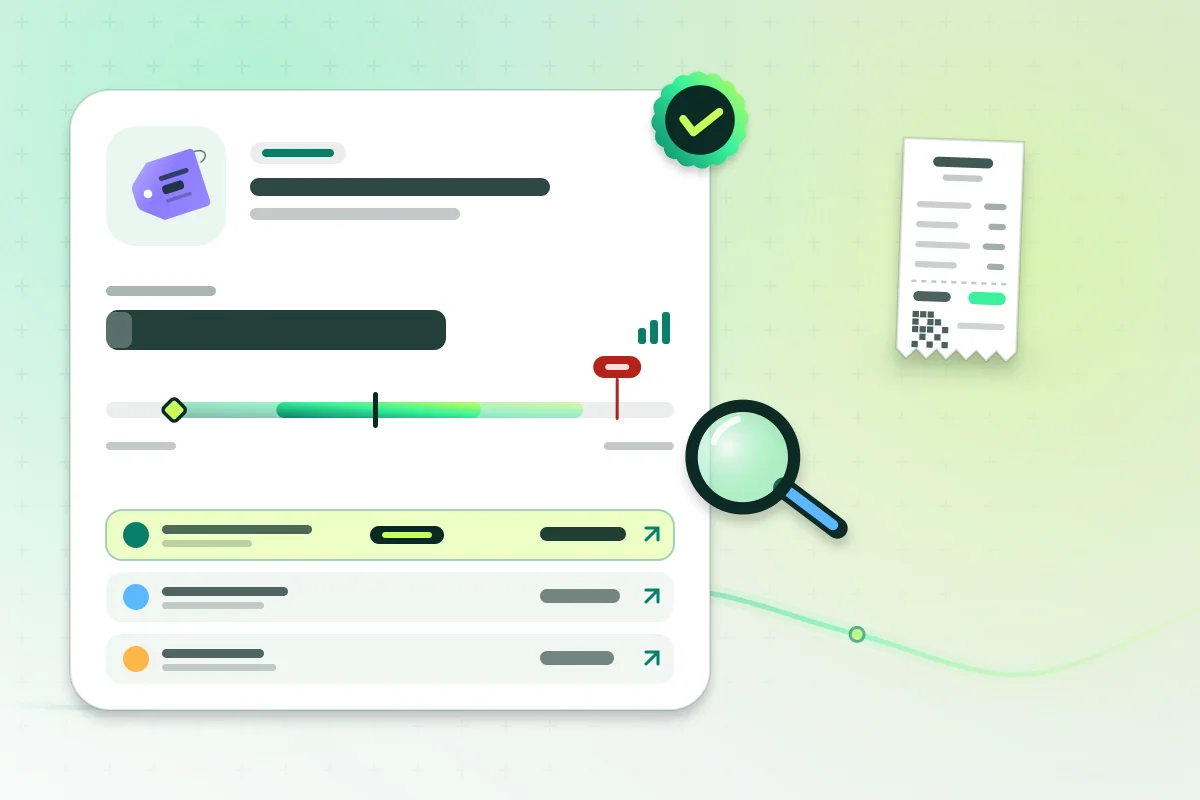
The median tells you what is normal. The cheapest verified in-stock offer tells you how much you could save. It is the lowest price from a seller who actually has the product available, for the same variant, checked recently — with a link so you can confirm it yourself.
If the gap between your price and the cheapest verified offer is small, convenience or a trusted local shop may be worth it. If the gap is large, you now have evidence to negotiate with, or a better place to buy.
Free · no sign-up needed
Check your price against the verified market
Tell DAAM what you are buying and the price you were quoted. You get the market range, the cheapest in-stock seller and a clear verdict — free.
Opens DAAM with: “Is Rs 45,000 a fair price for this phone?”
Step 5: Decide — pay, negotiate or walk away
With the range and the cheapest offer in front of you, the decision is simple:
- Pay if the price is within the range and the seller is convenient or trusted.
- Negotiate if the price is above the median — show the seller the range; many will match or come close. The possible saving on your answer card is your leverage.
- Walk away if the price is well above the range and the seller cannot explain why.
Red flags that a price is not fair
- The seller won’t say whether a phone is PTA approved, or what the warranty is.
- The “discount” is from a price nobody has actually charged — the price history shows what it usually sells for.
- A quotation lists a bag or ton price without saying whether delivery and unloading are included.
- The price is far below every other seller. That is not always good news — it can mean used stock, a replica, a missing charger or an installment down payment dressed up as a price.
Doing it with DAAM
DAAM does steps one to four in one go. Type what you are buying — or send a photo of the bill, quotation or price tag — and it shows the market range with the median, the cheapest verified in-stock offer with a link, the price history and a verdict on your price. If it doesn’t have enough verified prices, it tells you so and asks the one detail that would help. There is more on reading the result in how to read a DAAM answer.
Frequently asked questions
What is a fair price?
A fair price is one that sits inside the current range of verified prices for the same product from several sellers. It does not have to be the cheapest, but it should not be above what most sellers are asking for the same model, variant and condition.
Is the cheapest price always the best deal?
Not always. Check that the cheapest offer is the same product, in stock, from a real seller, with the same warranty and PTA status. A price far below everyone else can mean used stock, a copy or missing accessories.
How many sellers should I compare?
At least three for a reliable picture. DAAM labels its confidence as high when an answer rests on three or more sellers with consistent prices checked recently, and tells you when it has fewer.
What if my price is below the market range?
Check the details before you celebrate. Ask whether it is new, whether the warranty is official, whether accessories are included and whether the price is cash or an installment. DAAM flags these prices as below the market so you check the details.
Free · no sign-up needed
Check your price against the verified market
Tell DAAM what you are buying and the price you were quoted. You get the market range, the cheapest in-stock seller and a clear verdict — free.
Opens DAAM with: “Is Rs 45,000 a fair price for this phone?”
Written by
Hamza writes DAAM’s price guides for shoppers in Pakistan: where to buy, what to check before paying and how to use verified prices to avoid being overcharged.