Bargaining in Pakistan: how to negotiate a fair price with evidence
How to bargain in Pakistani markets without guessing: know the verified price first, open in the right place, use cash and quantity, and know when to walk away.
Published 4 min read
The short answer
Bargaining works best when you already know the fair price. Check the verified market range for the exact product before you go, open politely below the typical price, use what genuinely matters to a seller — cash, quantity, buying today — and be ready to walk away. Fixed-price shops and branded stores rarely bargain; markets and wholesalers usually expect it.
Key takeaways
- Know the verified market range for the exact item before you start.
- Open below the typical price, but within the real range — not an insulting offer.
- Cash, quantity and buying now are real reasons for a seller to drop the price.
- Compare like for like: warranty, condition and variant change the price.
- Walking away politely is part of bargaining, not the end of it.
On this page
Where bargaining is expected
Bargaining is normal in much of Pakistan’s retail, but not everywhere. Knowing where it fits saves awkward moments:
| Where | Bargaining | Tip |
|---|---|---|
| Open markets and bazaars | Expected | Know the range first; start polite and below typical |
| Electronics plazas | Common | Variant, warranty and PTA status matter more than haggling |
| Wholesale and building materials | Expected, especially on quantity | Ask for delivered rates and per-unit prices |
| Branded stores and malls | Rare | Watch for sales and bank-card offers instead |
| Pharmacies and fixed-price shops | Not expected | Compare shops instead |
Step one: know the price before you walk in
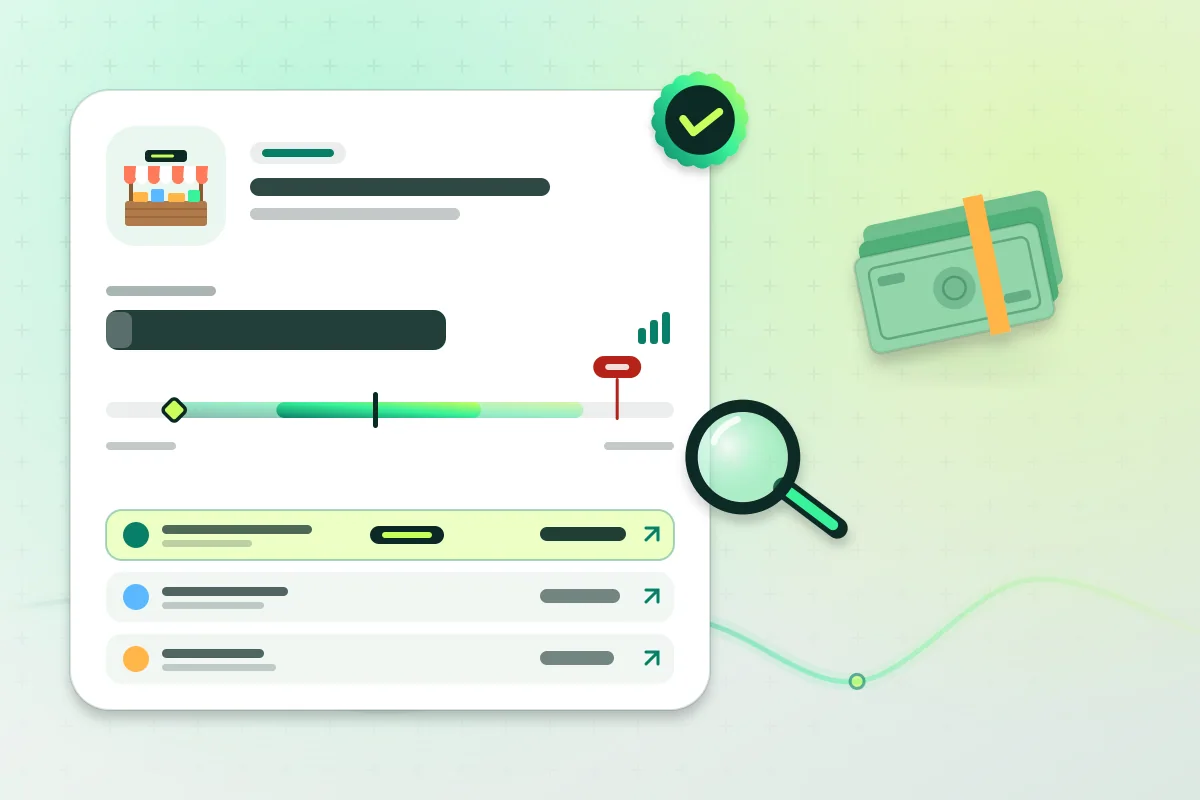
The strongest position in any negotiation is knowing what the item really costs. Before you go, check the current market range and the cheapest verified offer for the exact product — the same model, storage, fabric or grade. With that number in mind, you can tell in seconds whether the first quote is fair, high or a sign that the item is not what it seems.
See how to check if a price is fair for what the range, the typical price and the cheapest offer each mean.
Step two: open in the right place
Opening far too low signals that you do not know the market, and some sellers stop taking you seriously. A better approach:
- Open a little below the typical price, inside the real range.
- Mention a reason, not a threat: “I’ve seen it nearer this price elsewhere.”
- Let the seller come down in steps; meet in the middle only once you are near a price you are happy with.
Step three: offer something that matters to the seller
A seller drops the price when you give them something in return. The honest levers are:
- Cash. Card fees and payment delays are real costs for small shops; paying cash is a fair reason to ask for less.
- Quantity. Buying several items, or a full order of building materials, is worth a per-unit discount — see checking a contractor’s quotation.
- Buying today. A sale now is worth something to a shopkeeper.
- Simplicity. Skipping an extra the seller would otherwise add (gift box, delivery you do not need) can lower the price.
Watch the hidden trade-offs
A lower price is not a better deal if something else changed. Before you agree, confirm:
- Exact variant: same model, storage, PTA status, fabric or grade.
- Condition: new, open box, refurbished or used — see used phone checklist.
- Warranty: official or shop warranty, and for how long.
- Receipt: ask for a written receipt with the item and price — it matters if something goes wrong; see your consumer rights.
Free · no sign-up needed
Know the fair price before you bargain
Ask DAAM for the exact item and see the verified range, the typical price and the cheapest verified offer.
Opens DAAM with: “Is this a fair price?”
Walking away
If the price stays above the fair range, thank the seller and leave. Many shopkeepers call you back with a better offer; if they don’t, the next shop might. Walking away is not rude — it is the most normal part of bargaining in Pakistan.
Use DAAM as your evidence
Ask DAAM before you go: “Samsung A56 8/256 PTA price”, “Lawn 3 piece unstitched price Lahore”, “Bricks rate per 1000 Lahore”. You will see the verified range, the typical price and the cheapest verified in-stock offer, with links to where each price came from. In the shop, you can ask “Is Rs X fair for…?” and get a verdict in seconds, in English, Urdu or Roman Urdu.
Related guides
Frequently asked questions
Is bargaining normal in Pakistan?
In markets, bazaars, electronics plazas and wholesale, yes. Branded stores, malls and pharmacies usually have fixed prices.
How low should I start when bargaining?
A little below the typical market price, but within the real range. An offer far below the market usually ends the conversation.
Does paying cash get a better price?
Often, at smaller shops. Card fees and payment delays cost them money, so cash is a fair reason to ask for a lower price.
How do I know the fair price before bargaining?
Ask DAAM for the exact product. It shows the verified market range, typical price and cheapest verified in-stock offer.
Free · no sign-up needed
Know the fair price before you bargain
Ask DAAM for the exact item and see the verified range, the typical price and the cheapest verified offer.
Opens DAAM with: “Is this a fair price?”
Written by
Hamza writes DAAM’s price guides for shoppers in Pakistan: where to buy, what to check before paying and how to use verified prices to avoid being overcharged.